2026-02-20
From Clawdbot to Moltbot to OpenClaw: The Viral Growth Story and What Comes Next
Primary keyword: OpenClaw growth
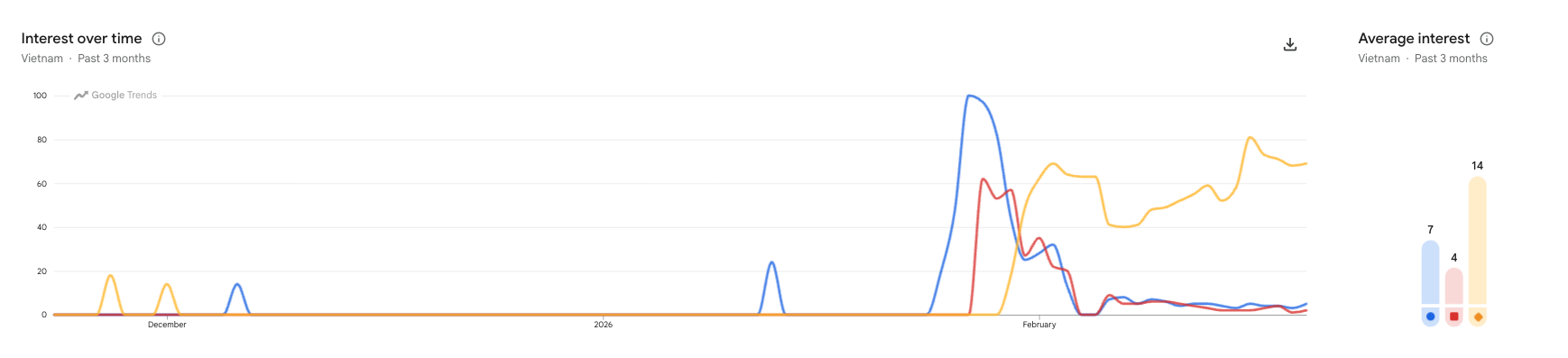
Back in December, very few teams had heard of Clawdbot outside niche builder circles. What started as a tightly shared project quickly became a social media breakout as creators posted demos, workflows, and automation wins across developer communities.
As visibility grew, naming pressure around Claude-adjacent branding pushed the ecosystem through a fast renaming cycle. Clawdbot evolved to Moltbot in community usage, then consolidated under OpenClaw. That sequence did not slow momentum. It amplified it by clarifying identity and making the project easier to discover and rally around.
The growth numbers reflect that shift. The OpenClaw GitHub repository (https://github.com/openclaw/openclaw) is now one of the fastest-rising open source AI tools, with over 200k stars and 40k forks by community reporting. Combined with sustained search activity and social amplification, OpenClaw has moved from a niche trend to mainstream operator interest.
But hyper-growth creates a second problem: control. Many teams can install quickly, yet far fewer can run these agents safely in production. Without governance, execution quality drifts, retries become unpredictable, tenant boundaries blur, and no one has clean auditability of what happened or why.
That is the gap AIOS is focused on. AIOS Connector provides the governed boundary for external triggers and safe session lifecycle control. AIOS Controller provides the operational control plane for orchestrating multiple agents, applying approvals and policies, and tracking outcomes and economics in one place.
The headline is not just virality. The real shift is operational maturity. OpenClaw momentum proves demand; AIOS governance makes that demand sustainable. If the community wants long-term trust, security and control have to scale as fast as adoption.
Tags: OpenClaw, Clawdbot, Moltbot, AIOS Connector, AIOS Controller